
NATURAL MAKEUP TRY-ON · SMARTGENIUSAI
How to Try Natural Makeup Online Before You Apply It
Natural makeup is deceptively difficult to plan because small changes matter. A little more brow definition, a warmer lip, a dewier finish or a darker lash line can move the result from “barely there” to obviously styled. A virtual try-on lets you compare those subtle differences without confusing them with changes in lighting, camera angle or facial expression.
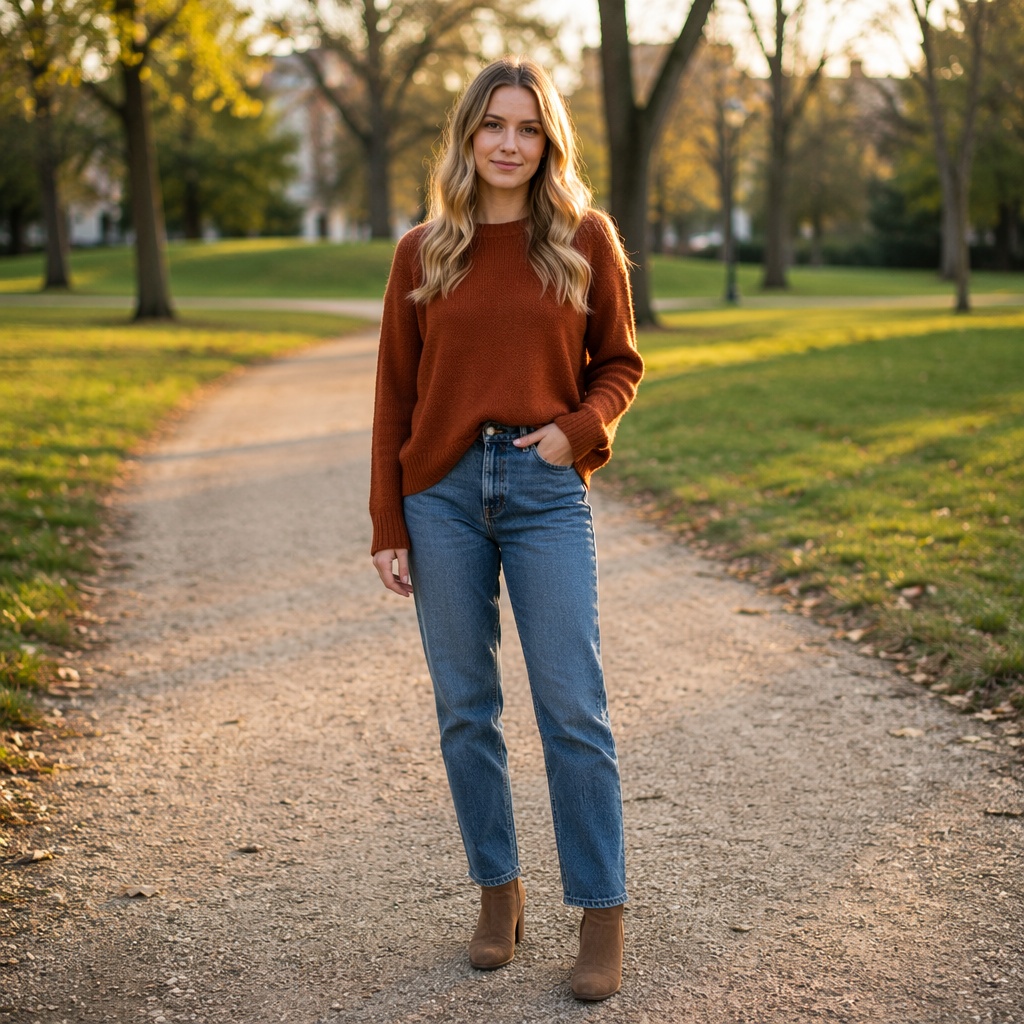
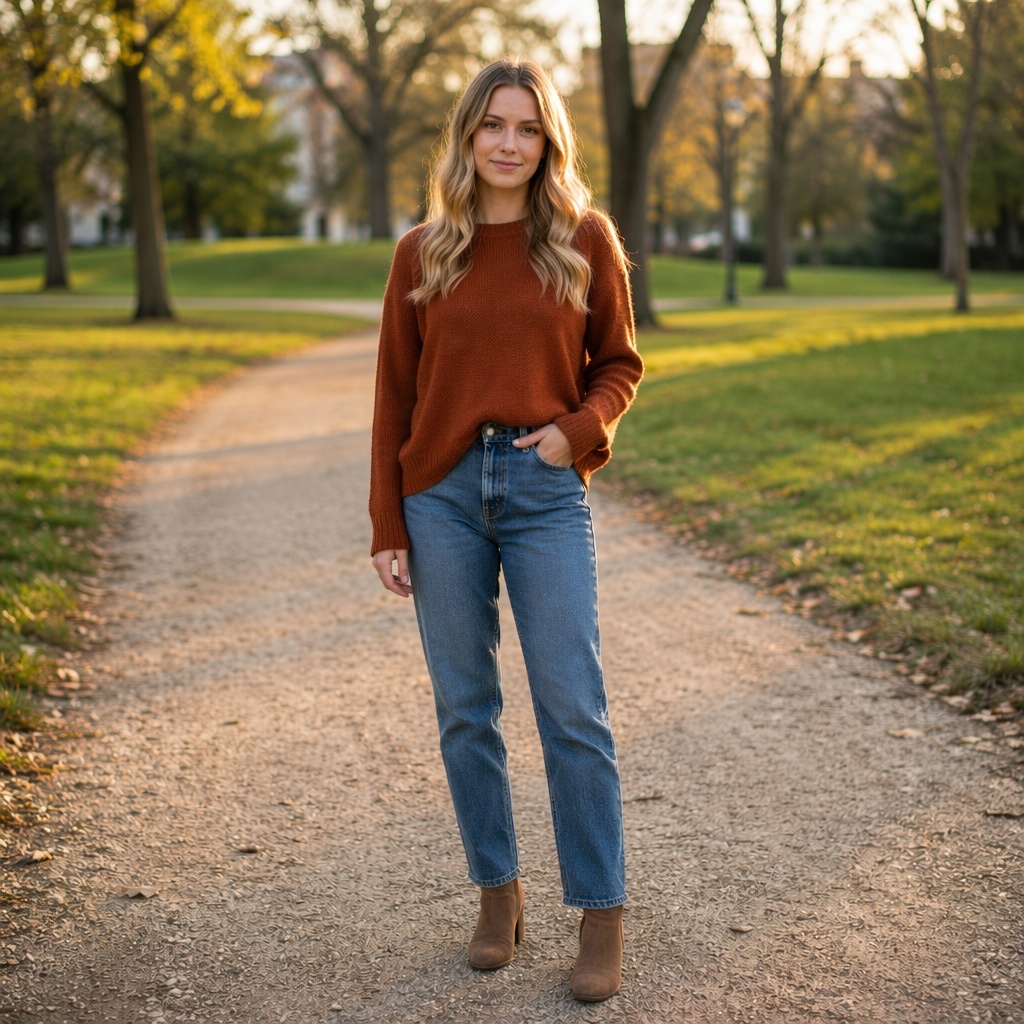
Use No-Makeup as the baseline, Everyday as the balanced option, and Dewy or Office as a finish contrast. If one direction feels right, compare Soft Nude or Minimal to fine-tune color and definition.
Natural makeup is about controlled visibility
The defining feature of natural makeup is not that nobody can see it. It is that the makeup supports the face without becoming the main subject. Skin still looks like skin, brows remain believable, lashes are defined rather than theatrical, and lip color stays connected to the wearer’s natural palette.
Because the changes are small, a consistent source photo is especially important. If the lighting changes between tests, you may mistake a brighter image for a better makeup look.
What each Natural Makeup preset is useful for
| Preset | Visual direction | Useful for testing |
|---|---|---|
| No-Makeup | Barely-there polish, preserved texture | How little definition you actually need |
| Everyday | Balanced subtle eyes, lips and complexion | A versatile daily baseline |
| Soft Nude | Neutral eyes and muted nude lip | Whether warm/neutral color harmony works for you |
| Office | Controlled shine and polished neutral palette | A more professional, camera-safe finish |
| Dewy | Soft luminosity and realistic glow | Whether reflected light adds freshness |
| Minimal | Clean brows/lashes with very restrained complexion work | A modern low-product aesthetic |
Use No-Makeup as your control image
When comparing subtle makeup, you need a reference point that changes as little as possible. No-Makeup is useful because it can reveal whether tiny adjustments to tone, lashes and lips are already enough. If you skip straight to Dewy or Soft Nude, you may not know which part of the result you actually prefer.
Keep the untouched source image visible as well. The goal is not to erase every natural variation in skin; it is to see which small enhancements support the portrait.
Everyday makeup: the most useful all-purpose baseline
Everyday makeup is usually the best second test because it distributes subtle definition across the face. It should not depend on one strong focal point. If this version looks balanced, it becomes a reference for deciding whether you want more glow, more neutrality or more polish.
For real-life recreation, note the relative intensity rather than trying to copy pixels exactly: soft lashes, restrained complexion correction, a natural lip and a small amount of cheek color.
Soft Nude: test whether muted warmth suits the image
Soft Nude moves the palette toward neutral eyes, a muted lip and gentle blush. It can feel sophisticated and calm, especially when clothing or hair already provides contrast. On some portraits, however, a nude lip may reduce too much color around the mouth.
Compare it with Everyday at normal size. If the mouth disappears more than you like, keep the overall nude direction but restore a little more lip saturation.
Office makeup: polish without obvious drama
Office makeup is useful when you want a controlled finish, neutral palette and enough definition to read well on video calls or professional photos. The goal is not to make the face flat; it is to prevent shine and very saturated color from becoming distracting.
If the preview feels too formal, borrow only part of the idea: keep the balanced complexion and natural eye, then use a fresher lip or a slightly more luminous cheek.
Dewy makeup: separate healthy glow from excessive shine
Dewy skin relies on selective highlights. The most convincing version has dimension on the high points of the face while preserving texture. If every surface becomes equally reflective, the effect can look synthetic rather than fresh.
When previewing Dewy makeup, look at the forehead, nose and upper cheek. Ask whether the light feels plausible for the scene. In real life, you can recreate the direction with targeted luminous products rather than making the entire base glossy.
Try all six natural directions
Open SmartGeniusAI Natural Makeup and compare No-Makeup, Everyday, Soft Nude, Office, Dewy and Minimal on the same portrait.
Minimal makeup: useful when you want the face to remain almost untouched
Minimal styling is different from an unfinished face because the few changes are deliberate. Brows may be softly organized, lashes separated and the complexion balanced only where necessary. It works well when the portrait already has good light and you want authenticity to remain the dominant impression.
It is also a useful option for people who dislike the feeling of a full routine. A virtual preview can show whether you actually need a stronger lip or blush, or whether a few small accents are enough.
How to recreate a virtual natural look in real life
- Identify the main difference from your bare face: skin finish, lashes, lip color or warmth.
- Choose lightweight products that reproduce that one difference first.
- Add secondary definition gradually instead of trying to match the entire generated image at once.
- Check the result in the same kind of light where you plan to wear it.
- Take a phone photo and compare overall balance, not pixel-level similarity.
Natural makeup mistakes that make the result look less natural
- Too much base coverage: uniform texture can remove the small variations that make skin believable.
- Overdefined brows: sharp blocks of color can become the strongest feature in an otherwise subtle look.
- Nude lipstick that matches skin too closely: the mouth can lose useful contrast.
- Glow everywhere: targeted luminosity usually looks more realistic than all-over shine.
- Heavy lashes with almost no other makeup: the imbalance can make the eyes feel disconnected from the rest of the face.
Match the preview to your real skin goals
Some people use natural makeup mainly to reduce visible redness, others want more glow, and others only want brows and lashes to look finished. Those are different goals even if the final look is all called “natural.”
Before testing presets, decide what you want to improve and what you want to preserve. A good result should solve the first list without erasing the second.
Keep the lip slightly alive in low-contrast looks
When eyes, cheeks and complexion are all deliberately soft, the lip may need just enough color to keep the lower face from becoming flat. This does not require a bright lipstick. A natural pink, rose or slightly deeper nude can provide structure while remaining subtle.
Compare the mouth at thumbnail size. If the outline disappears completely, the color is probably too close to the surrounding skin for photography.
Natural brows should support expression
Overly dark or sharply geometric brows can make a low-intensity makeup look feel unexpectedly heavy. The brow still needs shape, but texture and believable hair direction matter. When you inspect an AI preview, check whether the brow still looks connected to the person’s real hair and expression.
If everything else feels natural but the face looks severe, brows are often the first place to reduce contrast.
Use daylight and indoor light as two separate checks
A dewy or lightly corrected complexion can look different under window light and warm indoor bulbs. If you plan to recreate the look, check your real makeup in both environments. The AI image gives you the target direction, but real reflective products react to light physically.
For an everyday routine, a look that remains balanced in both conditions is often more useful than one optimized for a single flattering setup.
Do not turn “natural” into a perfection requirement
Natural skin contains texture, asymmetry, small color differences and fine lines. A preview that removes all of them may look polished but teaches you very little about realistic makeup. Preserve enough information that you can imagine the look on your actual skin.
The goal is believable enhancement, not evidence that the face has been digitally replaced.
Build a five-minute and a fifteen-minute version
Once you identify a favorite natural direction, create two real-world routines from it. The short version might be brows, lashes and lip; the longer version can add complexion, blush and finish. Both should preserve the same visual hierarchy.
This makes the AI preview practical rather than aspirational. You gain a look you can actually use on normal days and a more polished version when you have time.
Use one feature as the anchor of the natural look
A natural routine becomes easier to repeat when one feature has a consistent role. You might always keep the brows softly defined, always use a rose-toned lip, or always preserve a luminous cheek. The rest can vary with time and occasion.
When you review AI previews, look for the element that makes the face feel “finished” even when everything else is restrained. That anchor often tells you where a real-world routine should spend its limited effort.
Frequently asked questions
What is the difference between No-Makeup and Minimal?
No-Makeup aims for barely-there overall polish, while Minimal can place a little more deliberate definition on brows and lashes while keeping the rest restrained.
Which natural makeup preset should I start with?
Start with No-Makeup and Everyday. They give you the clearest baseline before you compare finish-specific options like Dewy or Office.
Can natural makeup still use lipstick?
Yes. Soft pink, nude or another low-to-medium saturation shade can still be part of a natural look.
Is dewy makeup the same as natural makeup?
Dewy describes finish, not intensity. A dewy look can be natural, but a luminous glam look can also be dewy.
Should freckles remain visible?
If preserving realism is your goal, visible freckles and natural skin texture are usually a good sign that the preview has not over-smoothed the face.
Final takeaway
Natural makeup works best when you can identify the few changes that actually improve the portrait. Compare No-Makeup, Everyday and one finish variation first, then refine color. The strongest natural result often comes from doing less—but doing those few things intentionally.