
BRAIDS GUIDE · SMARTGENIUSAI
Would Braids Suit Me? Preview Braided Hairstyles With AI
Braids can change length, texture, scalp visibility, face framing and the entire outline of a hairstyle. A virtual preview is useful because it lets you compare those visual directions before choosing a real style — but it should be treated as inspiration, not a prediction of whether a specific braiding technique is suitable for your hair or scalp.
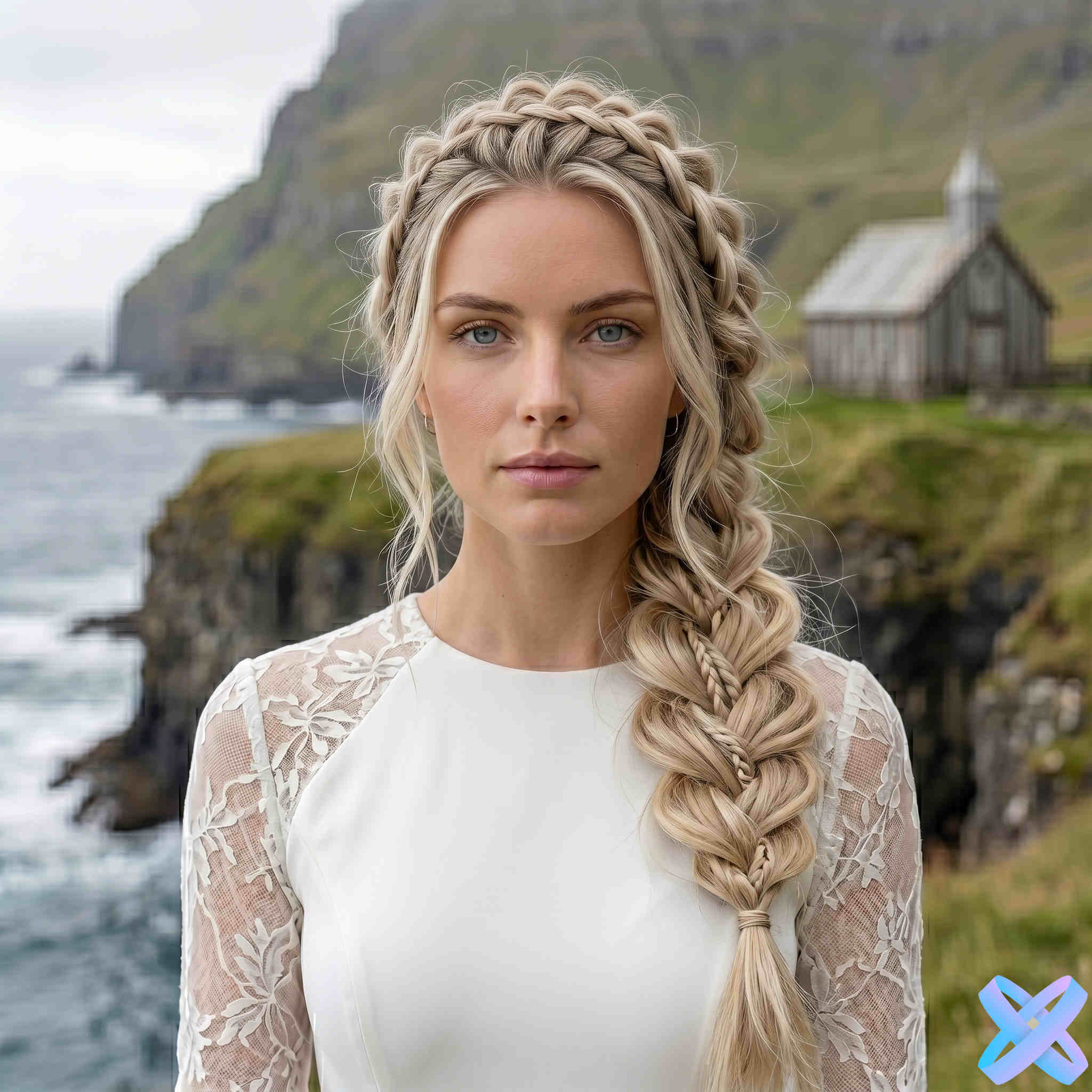

To find out whether you like braids on yourself, compare several braid placements and silhouettes rather than one random style. Start with long braids, a closer-to-the-scalp option, and an updo or crown style. Pay attention to forehead exposure, side width, length, parting and where the visual weight sits. AI can preview the look, but real suitability depends on your hair, scalp, tension, technique and maintenance.
Why “braids” are not one hairstyle
The word braids covers a huge range of looks. Some styles add long vertical lines below the shoulders. Others keep the hair close to the scalp. Some frame the face with loose pieces, while others expose the forehead and ears completely.
That means asking “Would braids suit me?” is too broad. A person who dislikes one braided look may love another because the placement, length and volume are completely different.
The main braid families worth previewing
Box braids
Box braids create repeated vertical sections and can add significant visible length. They are useful to preview if you want a strong, graphic texture around the face and shoulders.
Knotless-style long braids
Visually, these can appear softer at the roots and often create a more flowing transition from scalp to length. An AI preview can show the general aesthetic, but it cannot determine the real installation method or tension.
Cornrows
Cornrow styles keep much of the hair close to the scalp, exposing more of the forehead, temples and head shape. Pattern direction becomes a major design feature.
French or Dutch braids
These can feel more casual or romantic and often keep more natural-looking softness around the head. They are a useful lower-commitment visual direction to test.
Crown braids
A crown braid moves visual weight upward and around the head, making the neck and shoulders more visible. It can feel formal, bridal or editorial depending on finish.
Braided updos
Braided buns and updos create a compact silhouette and can dramatically change the upper balance of the portrait. They are especially useful to preview for events.
Start with placement, not tiny braid details
When you first compare braided hairstyles, do not focus on whether each braid is perfectly rendered. The more useful questions are large-scale:
- Is the forehead open or partially framed?
- Does most volume sit at the sides, crown or below the shoulders?
- Do you prefer long vertical lines or a compact updo?
- Do you like visible scalp patterning?
- Do you prefer symmetry or a side-swept arrangement?
If the overall silhouette works, then you can refine braid size, parting and accessory details later.
How braid length changes the look
Shorter braids keep attention close to the face and jaw. Medium braids interact more with the shoulders. Very long braids create strong vertical lines through the torso and can make the hairstyle feel much more dramatic.
Because added braid length can change the entire image, compare at least two lengths if long braids are what attract you. You may love the texture but prefer a shorter endpoint.
How braid thickness changes the silhouette
Larger braids create fewer, stronger visual lines and can make the hairstyle feel bolder. Smaller braids create denser texture and may read as softer or more detailed from a distance.
Thickness also changes total visual volume. If you like long braids but one result feels too heavy around the shoulders, a smaller or more controlled braid size may create the look you actually want.
Forehead exposure matters more than many people expect
Some braided styles pull the hair away from the face and reveal the full hairline. Others keep loose pieces, baby-hair styling or side framing around the forehead and temples.
If a style feels unexpectedly severe, the issue may not be the braids themselves. Try a version with softer framing or a different parting before rejecting the whole category.
Cornrows: pattern direction is part of the hairstyle
With cornrows and similar close-to-scalp styles, the braid path becomes visually important. Straight-back lines create a strong directional effect. Curved, side-swept or geometric patterns can change the impression even when the overall hair length is similar.
An AI image can help you compare the broad pattern direction, but do not treat generated scalp sectioning as a technical braiding plan. A real braider will adapt sections to your head shape, hair density and chosen installation.
Box braids: compare length, width and parting
For box-braid-inspired looks, three variables create most of the visual difference:
- Length: shoulder, chest, waist or longer.
- Braid size: larger and graphic vs smaller and denser.
- Parting: center, side or less defined.
Do not change all three at once in your first comparison. Otherwise it becomes difficult to know what you actually prefer.
Crown braids and braided updos
These styles move visual weight upward, which makes them very different from long braids. They can expose the neck and shoulders and often work well with formal outfits or event styling.
Compare a tight structured updo with a softer, looser crown braid. The amount of flyaway texture and face framing changes the mood significantly.
Would braids work with my face shape?
Face shape can give you ideas, but placement is more useful than a rigid category. Long vertical braids can create a different balance from a wide braided updo. Cornrows expose the face more fully than loose side braids.
If you have a rounder face and want more vertical emphasis, long braids may create that effect. If you have a longer face and want more width, a fuller side arrangement or updo may feel more balanced. These are visual options, not rules.
Can men preview braided hairstyles?
Yes. Men can compare cornrows, longer braids, braided top styles and combinations with faded sides. The same principle applies: judge placement, forehead exposure, side width and total length.
Use the general braids preview for braid-specific ideas and the men’s Hair tool when you want to compare against non-braided men’s cuts.
Braids for weddings, festivals and events
Virtual preview is especially useful when the hairstyle is tied to a specific outfit or event. A crown braid may work beautifully with one neckline, while long braids may create a stronger overall silhouette with another.
If the final event look matters, test the hairstyle on a photo with a similar neckline or general clothing shape. You do not need the exact outfit; you simply want the hair and shoulder area to interact in a realistic way.
What AI cannot tell you about real braiding
This is important. A visual preview cannot determine:
- whether a specific braiding technique is appropriate for your hair or scalp;
- how much tension is safe;
- how long an installation should remain in place;
- how your hair will respond to added weight;
- how much maintenance your chosen style requires;
- whether extensions, materials or accessories are suitable for you.
For real installation, especially long-lasting or high-tension styles, ask an experienced braider who can evaluate your hair and scalp directly.
Choose a clear source photo
For braid previews, the hairline and head shape matter. Choose a portrait with the top of the head visible and avoid hats, large headphones or heavy shadows at the temples.
A front or slight three-quarter view is usually the most informative first test. Profiles can be useful later if you want to inspect how long braids fall down the back or how an updo projects from the head.
How to preview braided hairstyles with SmartGeniusAI
Use one clear portrait
Keep hairline, forehead and top of head visible so braid placement can be judged properly.
Compare three braid directions
Try a long braid style, a close-to-scalp option and an updo/crown direction.
Adjust length and framing
Once one family works, compare braid size, length, parting and forehead exposure.
Try braided hairstyles on your own photo
Compare long braids, close-to-scalp patterns and braided updos before deciding which direction fits your look.
How braid color changes the overall effect
Braids create many repeated strands, so color can become a very strong part of the final silhouette. Dark natural shades may make the braid pattern read as one unified shape, while lighter, copper, blonde or vivid colors can make individual braids more visually prominent.
If you are choosing both braid style and color, separate the decisions. First pick the placement and length in a familiar color. Then test a few color directions. Otherwise a dramatic blonde or red result may make you think you prefer a braid family when you are mainly reacting to the color.
Accessories can change a braid style more than expected
Beads, cuffs, ribbons and other decorative details can shift a look from minimal to festival, formal or editorial. For the first preview, keep accessories simple so you can judge the braid structure itself. Add decoration only after you know you like the underlying silhouette.
This also keeps your reference more useful for a braider: you can discuss installation first and accessories second.
Use a second angle for long braids and updos
A front portrait is best for the first comparison, but some braided styles are strongly three-dimensional. Long braids may fall down the back, while buns and crown braids have height that is difficult to judge from the front alone.
Once you have a favorite direction, test or photograph a slight three-quarter or side angle if possible. You are not trying to create a perfect 3D reconstruction; you are checking whether the profile and back-weight of the style still appeal to you.
How to prepare a useful reference for a braiding appointment
Save two or three images that show different aspects you like. For example: one for the braid length, one for parting direction, and one for the overall thickness. Tell the braider which detail comes from which reference.
That is more realistic than expecting one generated image to specify exact sections, extension quantity, tension and installation method. A professional can translate your visual preferences into a technique that fits your hair and scalp.
Think about daily use, not only the first-day look
Very long or dense braids can create a dramatic result, but they also change how hair interacts with clothing, sleep, exercise and daily movement. A compact braided updo may feel more practical for an event, while long braids may better match the look you want for everyday wear.
The AI image cannot tell you how heavy or comfortable a real installation will feel. Use it to choose aesthetics, then discuss practical tradeoffs with the braider.
Common mistakes when previewing braids
- Judging only one braid family: cornrows and long box braids can look completely different on the same person.
- Changing color, length and braid type simultaneously: isolate variables when possible.
- Focusing on tiny generated details: silhouette and placement matter more for the first decision.
- Assuming the image proves real-world suitability: hair and scalp health need real assessment.
- Ignoring outfit and neckline: long braids and updos interact differently with shoulders and clothing.
Frequently asked questions
Can I see what I would look like with braids?
Yes. A virtual preview can show different braided silhouettes on your portrait so you can compare length, placement, volume and forehead exposure.
Can I preview box braids?
Yes. Compare several lengths and braid sizes while keeping the source portrait consistent.
Can I try cornrows on a photo?
Yes. Focus on the overall pattern direction and how much of the forehead and head shape are visible rather than treating generated sectioning as a technical installation plan.
Can AI tell me whether braids are safe for my hair?
No. A visual preview cannot assess scalp condition, tension or hair strength. Ask an experienced braider for real-world suitability and installation advice.
Can I preview a braided wedding hairstyle?
Yes. Crown braids and braided updos are good styles to test for formal events, especially if you use a source photo with a similar neckline to the planned outfit.
Final takeaway
Braids are a category, not a single look. Long braids, cornrows, crown braids and updos can create completely different silhouettes on the same face. Compare placement first, then refine length, braid size and framing. Use the preview to choose a visual direction, and rely on a real braiding professional for technique, scalp comfort and maintenance.